
When the customer is a machine
Marketing has always been about decisions: which customers to serve, what to offer them, at what price, through which channels, with what message. For most of the discipline’s history every one of those decisions was made by people on both sides of the exchange. That is starting to change on both sides at once.
Machines on the seller's side
Inside organisations, AI already plans and acts. It forecasts demand, sets prices within limits, allocates budgets across media and writes much of the copy. Managers who once made these calls now design the rules under which software makes them, and answer for the results. That is a management task, and it needs the established tools of the discipline: clear objectives, sound research and honest measurement.
Machines on the buyer's side
The newer change is on the customer’s side. An assistant that reorders household supplies, compares insurance policies or books travel is a customer in every practical sense. It does not respond to mood or imagery. It reads structured information, compares it against instructions from the person it serves, and acts. A brand that has only ever spoken to human attention may find that the machine customer cannot see it at all.
Planning for machine customers means making offerings legible: accurate product data, clear terms, prices that can be compared, and claims that can be checked. It also means remembering that behind every agent is a person whose trust the brand still has to keep. An agent will switch suppliers without sentiment if the facts favour a competitor; a person who has been treated well may instruct it not to.
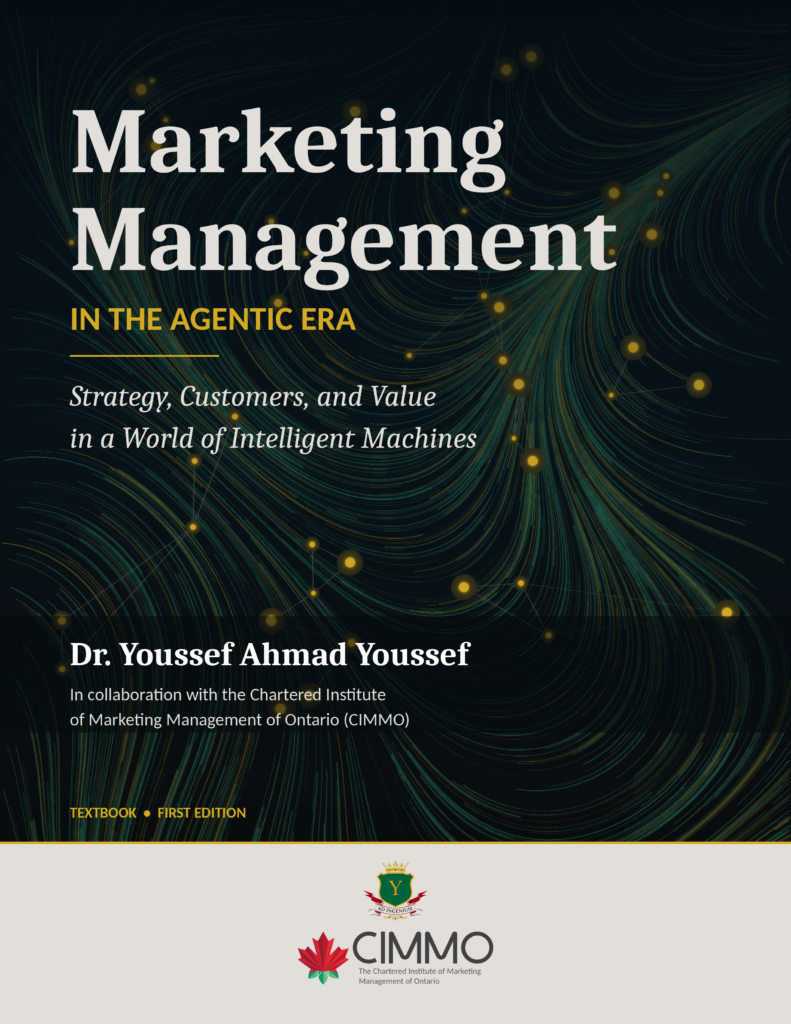
Marketing Management in the Agentic Era teaches the established discipline, from strategy and research through segmentation, brands, offerings, channels and communications, and gives sustained attention to agentic marketing and machine customers, so that students can manage for both kinds of buyer.
Further reading: Marketing Management in the Agentic Era: Strategy, Customers, and Value in a World of Intelligent Machines
Drafted with AI assistance for the Y Academy Press editors, in line with the Press's Generative AI policy.